E-Ville Geckos
LOOK NO
FURTHER!

Educational
Care Sheet
Request more information:
Leopard Gecko (Eublepharis Macularius)
Leopard geckos are very hardy and come in a variety of colors, pattterns and sizes. They are a great addition to add to your home. A lizard that is often the first reptile, budding reptile enthusiasts will own. They are a great reptile to start out with and one of the easiest to care for.
When caring for your leopard gecko these are some of the basics for what you'll need to provide for a happy and healthy leopard gecko. Here's a simple list of what you'll need to purchase or you may already have for their habitat.
-
Caging, preferably ten to twenty gallon terrarium to start out. You can choose to do rack systems for keeping larger amounts of geckos. Be sure the terrarium has a screen top for good ventilation and that it'll support a light fixture of some sort. The height of the terrarium should be at least one foot tall. Housing inside the enclosure, be sure to have a hide. Some people choose to have plastic storage boxes or rock hides. The hide should include a moist paper towel, moss, shredded coconut or vermiculite of your choosing. It should always be moist so your gecko can shed properly.
-
Substrate, newspaper, reptile carpet, flat stones or no covering is okay. I would not reccomend sand. A juvenile gecko could consume the sand while eating and could cause digestive problems such as intestinal impaction. The substrate should be kept dry.
-
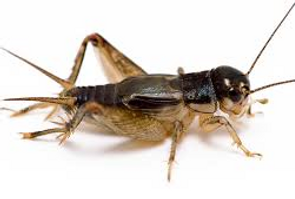
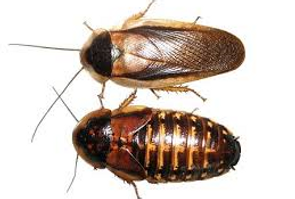
Food, Live insects are a must for your leopard gecko. They do not eat veggies or plants. The best live insects are mealworms or crickets but you can use Dubia roaches or superworms. You can always treat your gecko to a weekly dose of waxworms or hornworms. You should always dust your insects in a nutrient filled powder (I choose Vionate and Ostioform) before feeding so the gecko gets the calcium and vitamins it needs for healthy growth and a happy life.
-
Water, A shallow dish with fresh water needs to be available at all times. It needs to be stable so it doesnt spill. Do not add vitamin drops to their water. It should also be shallow enough for them to climb in and out of the dish.
-
Lighting, For veiwing a simple low wattage light can be placed overhead on the screen top and left on for twelve hours a day. Keep in mind geckos prefer the dark.
-
Tempetures, The ideal tempeture for your geckos hide box is 86-90 degrees fahrenheit at all times. The ambient air tempeture of the room they're kept in should be at least 73 degrees or above at all times. Heat one end of the enclosure at all times. The best way to heat the enclosure is an under tank heat pad or heat tape. Do not use heat rocks, they tend to burn the gecko. We keep a hot side and a cool side in their enclosres with the hot side being 90 degrees and the cool side being around 80 degrees or so.
-
Gecko sizes, Hatchlings measure 3-4 inches. Adult females 7-8 inches. Adult males 8-10 inches. Males of the super giant bloodlines reach nearly 12 inches and weigh over 160 grams.
-
Aclimation, When you first bring home your new pet gecko let it adjust to its enviorment for at least 24-48 hours before handling the gecko. Otherwise you may stress it out causing it to not eat.
CREEPIES & CRAWLIES

SOUTH AMERICA BY NIGHT
AMAZING INSECTS